Where to begin, Josh? I am an Orthodox Christian and a Perennialist-inclined literary critic rather than “conservative” or a “Potterhead” but I see your point that I don’t see the Hogwarts Saga as does this heresy hunter and Harry Hater.
Every one of these claims made by your Instagram sparring partner, as you noted, was made by Richard Abanes in his Harry Potter and the Bible : The Menace Behind the Magick(2001). That doesn’t mean that the claim is ipso facto in error; it actually means that there is evidence that the claim is true but the argument is wrong-headed. As you point out more than once that he was not receptive to discussion or “open to another viewpoint,” I don’t think you should spend any more time than you already have trying to persuade him.
I’d ask you to think about three things to prevent you from slipping into the pious surety of this internet maven you tangled with online.
First, my books on the Christian content and structure of the Harry Potter books and series were not written as ammunition to deploy against those who have decided not to read the book or those who campaign against their supposed “corruption of the youth.” My goal when talking about Rowling’s traditional artistry has been primarily to explain to readers who love the Wizarding World adventures why they love them.
Life is short and there is no end of books to read; there is no point in wrestling verbally with those who choose either not to engage with Harry Potter and friends or to make decrying Rowling’s fantasy fiction an article and touchstone of their faith. The exercise is not edifying to the For or the Against debaters and as often as not makes the Defender of Dumbledore begin to sound and act like his or her dismissive opponent.
Second, as rich as the books are in Christian content, symbolism, even narrative structure (and I hope to be revisiting this subject soon in light of remarkable insights from a professor in Illinois Who Must Not Be Named), there are elements in the books that most Christians would consider immoral, e.g., the torture of Slytherin bullies on the Hogwarts Express at the end of Goblet of Fire. Rowling herself has recently said she has changed her mind about the morality of assisted suicide, which makes Dumbledore’s sacrificial death at a friend’s hand lamentable. These books, uplifting and challenging and meaningful as they are, are not a postmodern Pilgrim’s Progress.
And, third, the work I have been doing consequent to Rowling’s ‘Lake and Shed’ 2019 interview suggests that the Harry Potter series can be read as the author’s prolonged feminist argument in Christian symbols for pre-natal infanticide (‘induced abortion’). See this conversation I had with Nick Jeffery for why that reading is credible and this discussion of alternative explanations for the ‘Lost Child’ Golden Thread in Rowling’s work.
We’re a long way, Josh, from the black-and-white reading of Harry Potter in which those with misgivings about the books are necessarily ignorant boobs and those who love them are by definition on the side of the angels. That’s especially true when you factor in the fandom leaders who now think of Rowling as the transphobic anti-Christ when they used to idolize her every thought and tweet and the one time Harry Haters who are now Team Rowling because of her stand against the surgical mutilation and chemical castration of children and adolescents.
The books haven’t changed but their Serious Readers have, for and against, and our appreciation of the Hogwarts Saga has been deepened and challenged simultaneously by all we have learned about the author since 2007 and about her children’s books consequent to her many post Potter publications.
To conclude, then, I’d leave you first with Twain’s advice not to wrestle with a pig (“you get filthy dirty and the pig likes it”) and then with my encouragement to read the Harry Potter novels with an open mind yourself. No, Richard Abanes’ ‘arguments by association’ remain logically invalid, but there’s a world of unanswered questions about this wonderful seven book series still to explore, most notably, “What unresolved trauma in Rowling’s life inspired her to write them?”
Thank you for writing and best wishes in your serious reading!
John
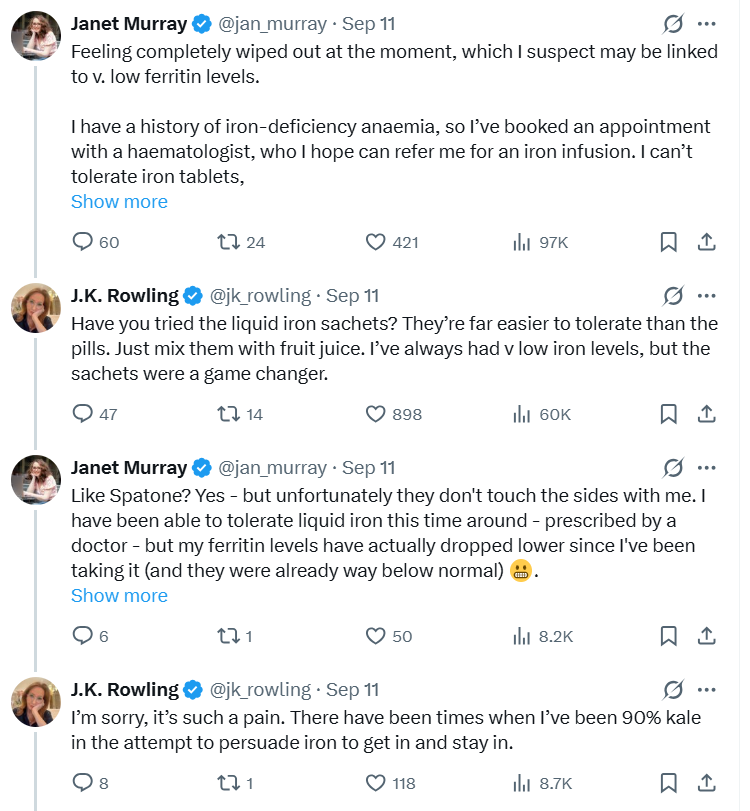
 Having just finished the month-long Lake and Shed celebration of J. K. Rowling’s opera omnia, my dominant feeling is one of pride. Recording somewhat over 31 hours of video, mastering (or at least becoming competent) in video editing for the intro and getting to grips with the technicalities of rendering and uploading the content to Substack and You Tube, all within a month, was a challenge that I wasn’t sure I could pull off. Twenty-five episodes were dedicated to individual works of Rowling, and in each episode only a single example of lake inspiration or shed artistry was explored. The mine is so rich that we could easily produce another hundred and twenty-five episodes and still not exhaust what J. K. Rowling has achieved.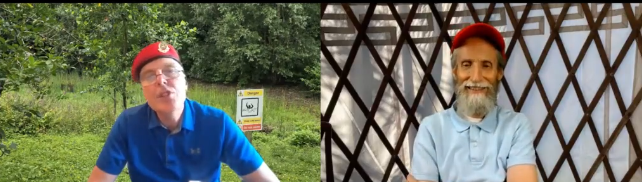
 Dr John Granger and Nick Jeffery continue with their Lake and Shed readings into the fourth generation of Rowling scholarship. Join us for our celebration of Mrs Murray’s 60th birthday, and her