The Epigraphs: A Hallmarked Man Placeholder Post for Serious Striker Discoveries
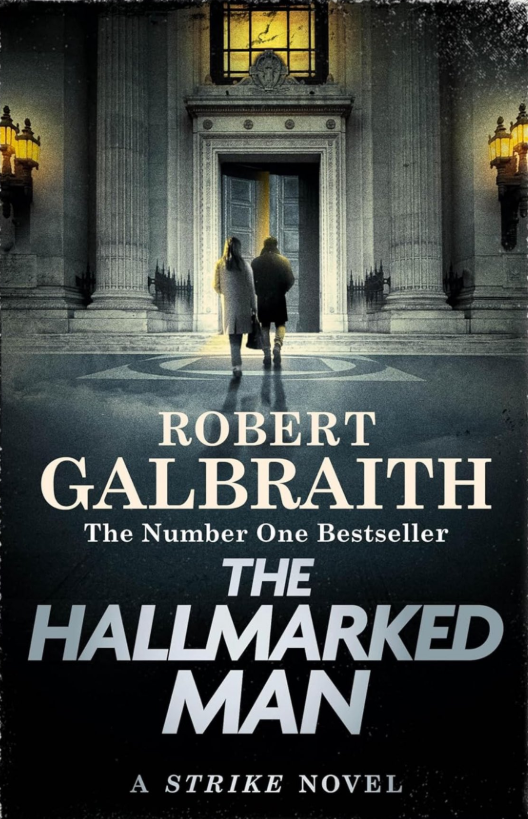 It’s a long-standing custom at Hogwarts Professor to put up posts for Serious Readers to share their finds on specific topics in the week following a new Rowling book’s publication. This Quiet week of little posting — because most folks are trying to find time to finish a ginormous tome while working a day job or studying for papers and exams and are staying away from online discussion of the books — merits an alternative outlet for those who read straight-through and want to share their first thoughts.
I have put up ten posts on the day of publication with specific subjects of interest to our global audience and an index post for easy access to each of those subjects. None have spoiler alerts because the comment threads of every one will be loaded with Hallmarked Man content and conversation. Caveat Lector.
A distinguishing difference between the Potter books and the Strike novels is the importance of epigraphs in the latter. Only Harry Potter and the Deathly Hallows had opening epigraphs in the Hogwarts Saga and every Strike-Ellacott piece — every Part and chapter as well as a frontispiece choice — has had a defining set of quotations that simultaneously reflect and reveal the author’s sub-text via super-text.
Hallmarked Man’s epigraphs that we’ve seen are a queer lot with passages from Freemasonry manuals, an obscure adventure Romance set on the island of Sark, and poetry from Matthew Arnold and Robert Browning. Rowling chose passages from Victorian women poets for Ink Black Heart’s epigraphs (and Grey’s Anatomy) but a simple count of those selections from Elizabeth Barrett Browning revealed that her Aurora Leigh was the background piece for Strike6 (a connection Rowling uncharacteristically confirmed).
Let’s keep an eye on those epigraph sources to see if one author or book or two or three begins to stand out in its way, something that throws light on Rowling’s aim in Hallmarked Man.