Farewell to the Last Inkling: Christopher Tolkien (1924-2020)
Last week, the news broke that Christopher Tolkien, son of J.R.R. Tolkien, had passed away at the age of 95, and  while we might all have hoped he would make it to 111, 95 is quite a run for a human being, even one whose story is so deeply entwined with those long-lived denizens of Middle Earth. While I am not a Tolkien expert (my area of focus is usually an elder Inkling, C.S. Lewis), I hope you will indulge me in a few thoughts about the gentleman who is the last of the Inklings, why his legacy matters, and what this means for his father’s creations. Read More “Farewell to the Last Inkling: Christopher Tolkien (1924-2020)”
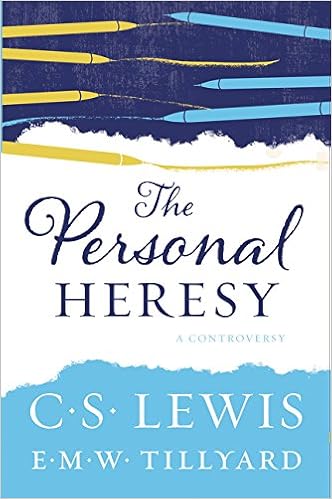 grading, preaching the virtues of the Oxford comma, and catching incompetent plagiarizers. Instead, I find myself having to do something rather odd, defend J.K. Rowling, but not against the usual antagonists: misguided Puritans, well-meaning but overprotective parents, and the sad horde of people whose imaginations were apparently damaged or removed in some sort of unfortunate childhood accident. Now, I’m defending her against the “fans” who are presently foaming at the mouth over a tweet she refuses to recant despite their most petulant whines and threats. The controversy and the subsequent venom of some members of the once-loyal fandom likely come as no surprise to the savvy Rowling, whose own work predicts just this sort of thing, but it is also reflective of a phenomenon rampant in a number of fandoms these days, a phenomenon C.S. Lewis foresaw with his brilliant examination of what he called “the Personal Heresy.” Join me after the jump for some thoughts on this phenomenon as it is playing out in Potterdom.(If you’ve been under a rock, catch up

