 She was charming, witty, funny and bright. She was unfailingly candid and brave. Though I didn’t know her personally, I’ve missed Carrie Fisher every day since the heart attack that resulted in her death on December 27, 2016. Fisher’s passing has Star Wars fans reflecting on the princess from a galaxy far, far away, whom Fisher brought to life so unforgettably here on Earth. Here at Hogwarts Professor, we’d like to pay tribute to Carrie Fisher by examining the origins and trajectories of the character of Princess Leia in a two-part, collaborative series. This week, I’ll look what may have influenced and informed the character of Princess Leia, and next week, Elizabeth Baird Hardy will examine the effect Leia has had on subsequent works, especially with regard to one of Leia’s most significant literary descendants, Hermione Granger.
Dynamic and refreshing characters like Leia are often the product of a diverse array of source material. Leia’s origins seem to be two-fold. On one hand, she evolved from the female side-kick characters of early twentieth-century space fantasy, and on the other hand, she seems inspired by real-life women who made daring contributions to war efforts and resistance movements in history.
In How Star Wars Conquered the Universe, Chris Taylor says the long line of Leia’s literary antecedents  goes back to Dejah Thoris. Thoris was the titular character in A Princess of Mars, the first title in Edgar Rice Burrough’s 1912 pulp space fantasy stories starring adventurer-hero John Carter. Taylor reports that despite Dejah’s near-constant need to be rescued by Carter in these stories, “the eponymous princess of the first book is a scientist, an explorer, a negotiator,” and eventually, “a sexual icon.” (Taylor, 5) Taylor also notes that Dejah might seem to today’s audiences like nothing more than a damsel in distress, but by pre-suffrage American standards, she was a progressive female character.
On the other side of women scoring the right to vote, in 1928, pulp fiction and comics audiences met Wilma Deering, space fantasy hero Buck Roger’s more capable counterpart. Wilma, Taylor reports, could build a radio out of spare parts and wore dresses only when forced. The capable female sidekick character in space fantasy seems, by the time of Buck Rogers, to have established itself as something audiences expect from this burgeoning sub-genre.
Perhaps most influential of all twentieth century space fantasies to Star Wars creator George Lucas was Flash Gordon. First a comic strip, then a film serial, Flash Gordon’s adventures delighted audiences with  the conventions of the space opera, and also pushed the genre’s boundaries, with story tie-ins to real-life threats to society in its plot lines and in the tyrant character Ming the Merciless. As Amy H. Sturgis points out in her graduate course on Star Wars, one of these space opera conventions is the sidekick heroine who is more than just a damsel in distress. In Flash Gordon, this heroine is Dale Arden: one less empowered than her predecessors Dejah and Wilma, but distinguished in her refusal to leave Flash’s side, even as it keeps her in the thick of the action. And although Dale Arden is an Earthling like Flash, the Gordon saga also contains an alien space princess called Aura who becomes an ally to the heroes. George Lucas seems to combine these tropes of the space princess and the capable female sidekick into the character of Princess Leia Organa.
The influence of these early space operas on the creation of Star Wars and the character of Leia in particular seems clear. Another overwhelming influence on George Lucas, born in 1944, was the second World War, and war in general. For another source of influence in the creation of Princess Leia as a character, we must look to the important roles remarkable women have played in war throughout history.
In Star Wars and History, Liedl and Reagin point to the classical goddess of Liberty, utilized to kindle the rebellion of the commonfolk against the ancien regime in the French Revolution. (43) Both Leia’s dress and role in the medals ceremony on Yavin 4 seem to echo Liberty’s role as inspiring figurehead for the Rebellion. But Leia is more than a figurehead, and Liedl and Reagin suggest Leia may also take her origins in women resistance leaders like Constance Markievicz. Markievicz founded a nationalist paramilitary group for Irish teens to stand up to British rule, and as an officer in the Irish Citizen Army, marched into battle during the 1916 Easter Rising alongside her male counterparts. (47-48)
Of course, throughout much of history, women have been involved in war and resistance efforts in far less visible positions than Markievicz. In Nazi-occupied France, women used their mundane roles as mothers, wives, secretaries, etc. to conceal their efforts to combat the Nazis, much like Leia uses her role as a Senator to disguise her doings as Rebel courier and spy in A New Hope. In fact, women across Europe resisted the Nazis by using their relative invisibility, as compared to men, to take on a variety of important roles: “serving as couriers, even smuggling goods and people under the authorities’ watch.” (54) In the more egalitarian world of Star Wars, however, Leia’s sex doesn’t protect her from suspicion by the Empire when she is captured in A New Hope. But you’ll have that with an enemy – Darth Vader – who has the advantage of training in the Force on his side.
 Both literary and historical sources seem to have inspired Star Wars architect George Lucas in his creation of Princess Leia Organa of the Royal House of Alderaan. Next week, Elizabeth Baird Hardy will help us discover what Lucas himself may never have imagined: how his shirty space princess would inspire and inform new female fantasy and sci-fi icons to delight generations of fans. Stay tuned!
Follow Emily Strand on Facebook and Twitter (@ekcstrand), and share your own thoughts about Leia – or your tribute to that wonderful actress who brought her to life – in the comments.
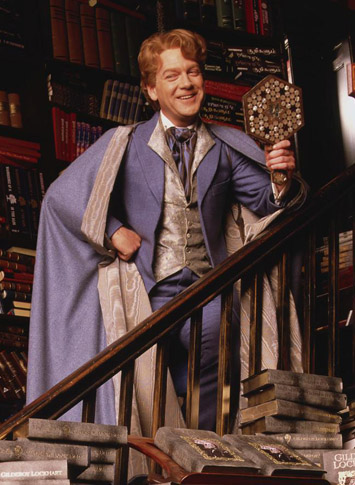 revealing, and I began to ponder pride a little more in terms of its role as a spiritually corrosive force in fantasy literature, just as it is in life. So, let’s visit that deadly sin that rears its ugly head around so many real and fictional corners.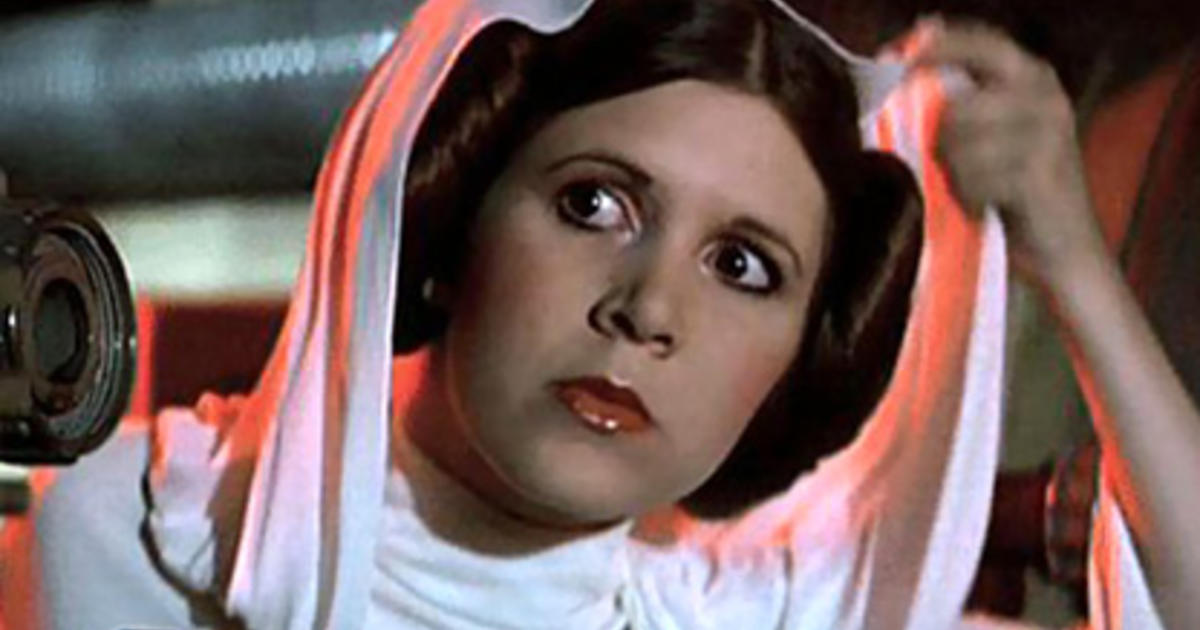


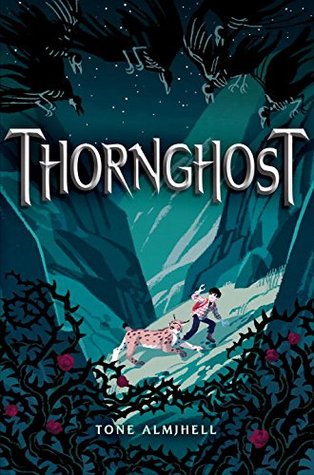
 o say some of the remarkable words we run across at Hogwarts and elsewhere. Sometimes, after reading and re-reading a book for years, we are stunned to hear an audiobook or movie adaptation that completely contrasts with the way we have been saying the word in our heads (or in nightly read-alouds). With film adaptations, there are even some pretty divisive opinions about whether the movie people are, as Hermione would tell us, saying it wrong. It would be easy to say that it’s just potato/potAHto, and Sca-mander/Scam-ander, but, the fact is, words have power, literally and figuratively, especially in the books we discuss here, so let’s think about a few reasons that it does matter how we say words, whether we are making a movie, having a conversation, or just reading aloud at bedtime….