
This week, I had one of those wonderful moments that reminds me why I teach. In my ENG 112 class, we were having a great literary conversation, starting to unpack W.B. Yeats’s fantastic poem “The Stolen Child,” which describes the fae and their efforts to lure a human child away from the human world. The students had already asked great questions about the geographical references and some of the vocabulary, but I could see they were trying to really grasp the poem. I explained about the amorality of the fae, their differences from cutesy fairies and their connections in literature and Irish mythology, and then, one of my students exclaimed, “They’re kidnappers!” I wish I could have captured the look on his face, an a-ha expression that combined both his delight at making his connection and his discomfort with the unsavory undertones of the poem. His combined reaction is very similar to my own in response to the new Amazon Original series Carnival Row, starring Orlando Bloom, Cara Delevinge, and an impressible ensemble cast in a tale of good and evil, of fae and of men.
The steamnoir series is set in a world where the fae world is not a myth or fantasy, but a very real geographical location that has been torn asunder by warfare between competing armies of men. It is visually stunning as well as thought provoking, making some fascinating allusions to history, mythology, and literature, but it is definitely not family viewing, with language and scenes that would make Cormoron Strike blush. [Read more…]
 I’ll be speaking today and tomorrow at the
  And there is a panel discussion at 5:00 today at which Prof Louise Freeman and I will answer questions from all-comers from the main stage.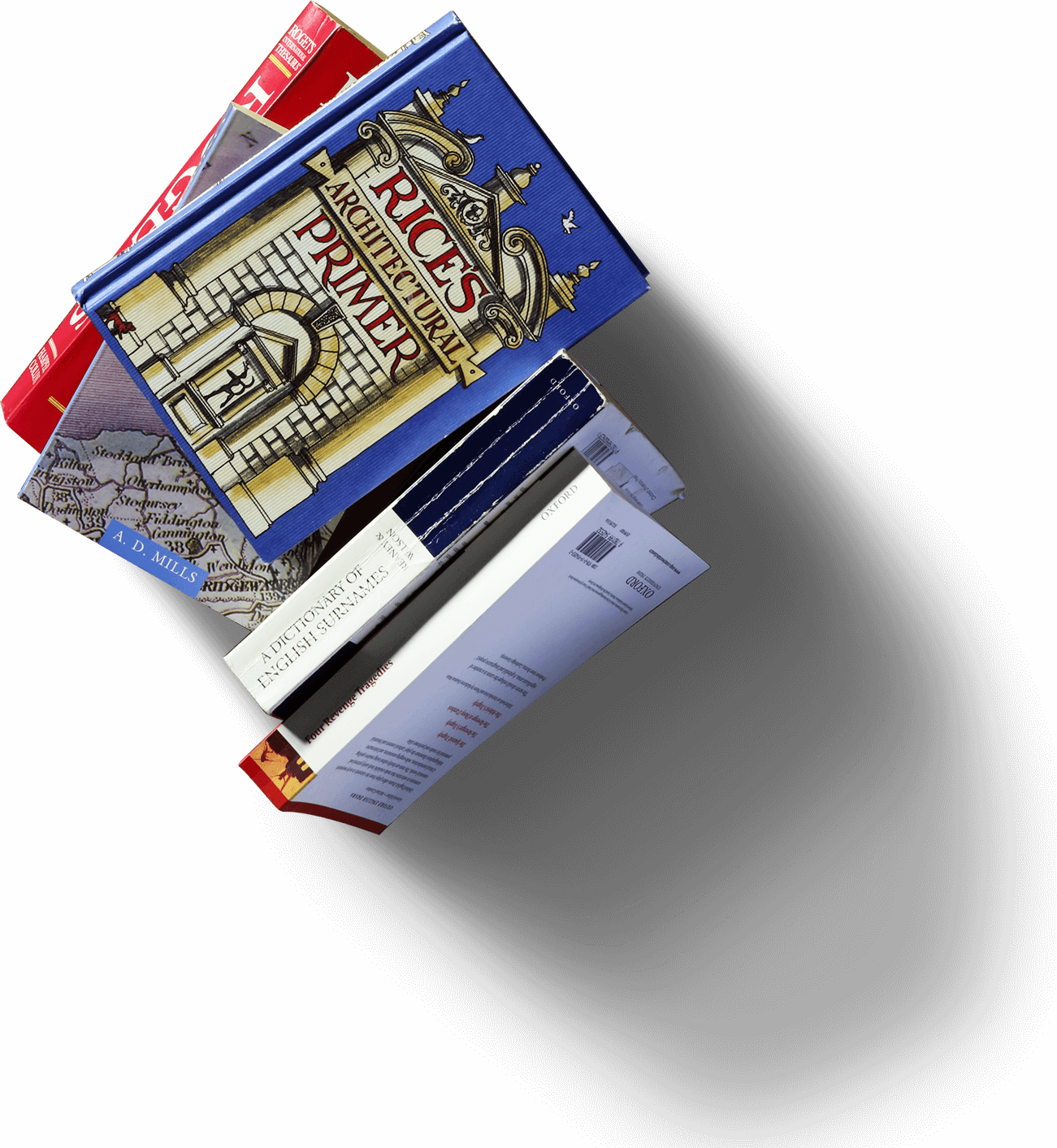
 The copy of Four Revenge Tragedies, I have to think dates the photo to the time Galbraith was writing or updating The Silkworm. All four of the tragedies therein are used as sources for chapter epigraphs in what Rowling has said was the first Strike mystery she wrote, although the second one to be published.
 The Roget’s Thesaurus is a gentle reminder that the author is a wordsmith, who beyond not wanting to use the same word repeatedly is wont to find just the right word with the appropriate nuance and shading necessary. Nabokov always wrote with a copy of Webster’s New International Dictionary of the English Language, second edition, at hand. (yes, I own a copy and it is huge). Same thing, sort of.
 On 1 October we will begin discussion of the John Fairfax (aka William Brodrick) novel
  ‘Did He Do It?’ The big question of the series is whether the hero, William Benson, actually committed the murder for which he was convicted and imprisoned as a young man. We’ll list the evidence for and against that is provided in Summary Justice.
 The Slow Release: We get a story that is told against the backdrop and bracketing of the larger mystery in Summary Justice. Here the larger story is Benson’s murder rap with some questions about de Vere’s escape to and return from Belgium. Does Fairfax’s use of this continued story model compare favorably with Galbraith’s slow release of details about Leda Strike’s death, Cormoran’s history at Oxford and Afghanistan, the Charlotte lost child, and Robin’s reasons for not completing her university degree?
Recent Conversation