 As regular readers of HogwartsProfessor know, October will be dedicated in large part to discussion of the William Brodrick (writing as ‘John Fairfax’) novels Summary Justice and Blind Defence (not a typo). We’ll start with Justice, the first book of the series, for two weeks of posts and, beginning on the 14th, we’ll move on to Defence and speculation about book three, Forced Confessions, due out in March 2020.
Why are we reading these books? Why now? I’ve explained this in previous posts at some length but the short answer is that there are fascinating parallels and correspondences between the Brodrick/Fairfax coutroom dramas and its lead players, William Benson and Tess de Vere, and the Rowling/Galbraith murder mysteries featuring Cormoran Strike and Robin Ellacott-Cunliffe. Beyond the famous-author-with-transparent-pseudonym, we have a brilliant couple linked professionally with the matter of justice being done with respect to murder who cannot or will not become romantically entwined. More important, we have two series with over-arching mysteries for which we are given important clues in slow release in the stand-alone novels.
 Today’s first post is a very quick look at the story structure. I doubt any other reviewer’s reflex when reading a story is to chart out the lay-out of the story-telling (please send me a url if you find any of Fairfax’s readers have done this already!). I believe, though, via Nabokov and Lewis, that the story structure, a large even the greatest part of the ‘how’ of writing, makes up most of the ‘what.’ As Cleanth Brooks noted, “Form is meaning.”
I won’t be doing a full ring analysis today but I do want to note the obvious relationships of the story parts in Summary Justice and suggest not only what this means for the first novel but what it may indicate about the series as a whole. There will of course be plenty of spoilers, no apologies or warnings, so if you haven’t read the book and want to do so without knowing the finish, well, stop right here. [Read more…]
 Hello Professor,
 (4) Kate Atkinson’s Jackson Brodie books
 Akunin is a treasure whose Erast Fandorin novels — each a different genre (I kid you not) — are an international sensation and delight. His much shorter series on a plucky Orthodox nun in Tsarist Russia who is given leave to re-join the world in disguise to investigate crimes in obedience to her bishop are personal favorites despite its train wreck of a finish to this trilogy.
 I’ll be speaking today and tomorrow at the
  And there is a panel discussion at 5:00 today at which Prof Louise Freeman and I will answer questions from all-comers from the main stage.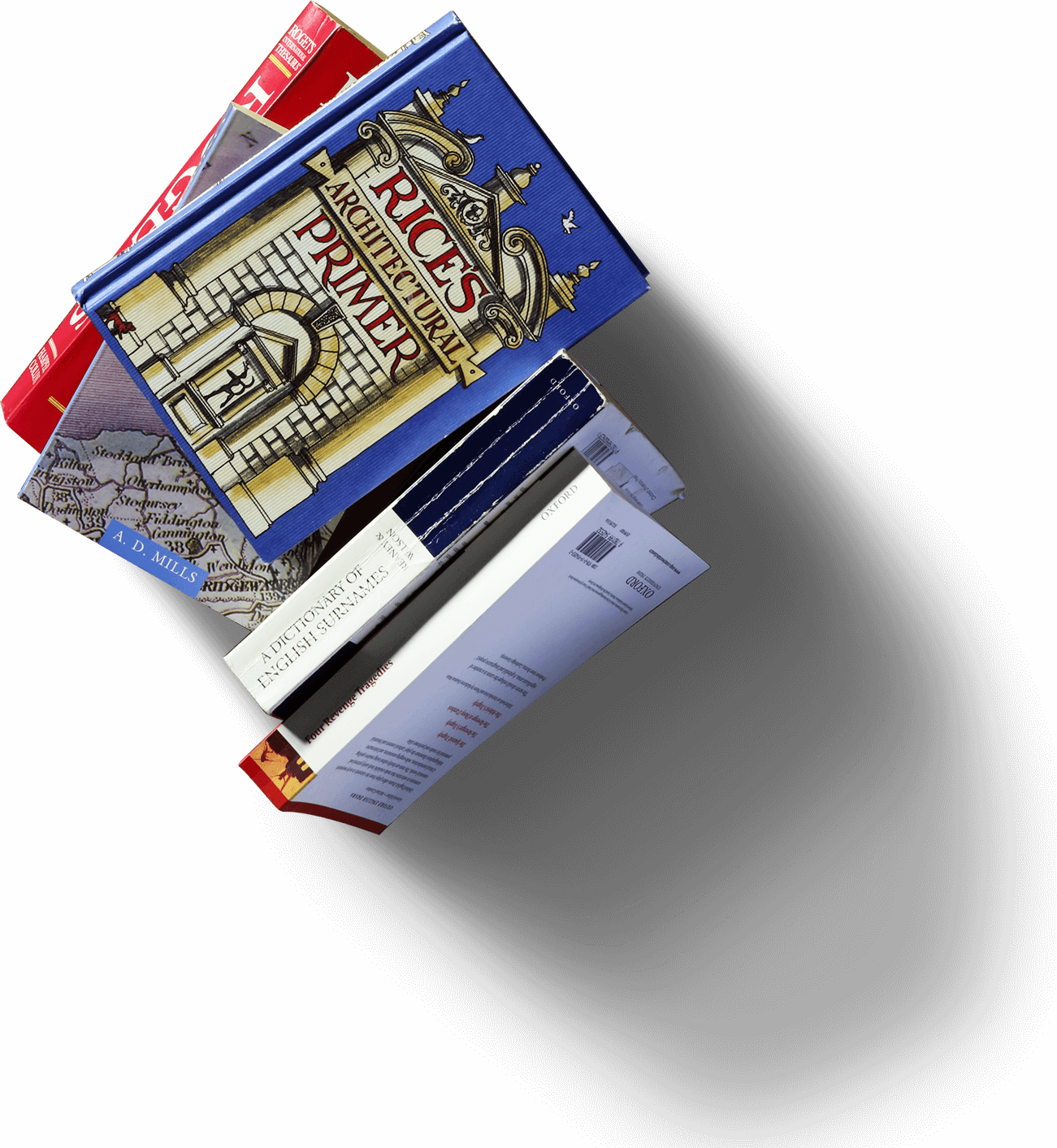
 The copy of Four Revenge Tragedies, I have to think dates the photo to the time Galbraith was writing or updating The Silkworm. All four of the tragedies therein are used as sources for chapter epigraphs in what Rowling has said was the first Strike mystery she wrote, although the second one to be published.
 The Roget’s Thesaurus is a gentle reminder that the author is a wordsmith, who beyond not wanting to use the same word repeatedly is wont to find just the right word with the appropriate nuance and shading necessary. Nabokov always wrote with a copy of Webster’s New International Dictionary of the English Language, second edition, at hand. (yes, I own a copy and it is huge). Same thing, sort of.
Recent Conversation