As we look forward to the release of Sunrise on the Reaping, this is a great time to reflect on a fascinating, under- rated character of the original trilogy, as well as to ponder the role of cats, not just in The Hunger Games trilogy and its prequels, but throughout speculative fiction, from Hogwarts to outer space. We’ll also consider why it’s the lovable idiot, the orange cat, who so often saves the day and why, as we get close to our next visit to Panem, feline plot threads may be out there, just waiting for a clever paw to grasp them.
Gingers Whose Heads Have Something Inside Them
Those of us who have orange cats in our households know well that they are not generally the most intelligent members of the feline family. My own dear Father Brown is an affectionate creature (at least with us. He’s terrified of strangers), but, when it comes to good critical thinking skills, the other two cats, Miss Fisher and Sam Spade, are far superior. Just googling videos of orange cates will yield a host of photographic evidence that gingers of all shades, particularly males, are justifiably legendary for their bad decision making. Most cat lovers will attest that, if we want to cast a cat mastermind, the best choice would be a calico. The genetic oddity that makes calicos is limited to females (if you really do have a male calico, alert the media, and move away from the neighborhood next to the nuclear waste dump). Females of all cat species tend to be intelligent. Lionesses, for example, are the ones who do the hunting in prides (as Scar whines in The Lion King when supper is late). Male cats tend to be the brawn, and the females are the brain. Orange toms are also often quite handsome, and know it, hence the Rum-Tum-Tugger’s excessive self-confidence in Cats. Yet, in looking at the cats who appear in speculative fiction, we see a host of male ginger cats, who are both surprisingly intelligent and remarkably durable. Let’s visit a few of them. Read More “But the Cat Came Back: Buttercup, Crookshanks, and Other Feline Survivors of Speculative Fiction”
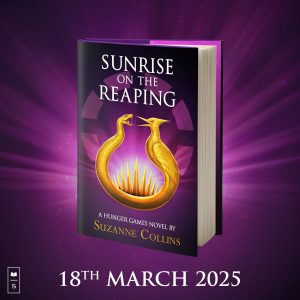 We are just a few days away from the release of the second Hunger Games prequel, Sunrise on the Reaping. As we anticipate the story of the fiftieth Quarter Quell, forty years after The Ballad of Songbirds and Snakes and twenty-four years before The Hunger Games, it’s a safe bet that Suzanne Collins will once again use symbol and story woven together as powerfully as the bird, serpent, and crown that adorn the cover of this new volume. We now have a short print preview and an interview sneak preview that have given us a few hints, so join me after the jump for some predictions, based on those short sneak peeks and on some of the powerful themes and symbols we have already seen at work in the world of Panem.