Apparently, since the groundhog did behold his shadow, six more weeks of winter are on their way. Quite honestly, the groundhogs where I live could see the shadow of Elvis and we’d still be lucky  to
to get off with only six more weeks of ice melt, mud, bitter cold, and static electricity that could easily torch a Zeppelin. However, in the spirit of things, since today is Groundhog Day, references will abound to the Bill Murray film about maximum déjà vu. It is also Thursday, which has become the day to post pictures of the past. In honor of those two events colliding, I thought it would be fun to re-visit some past posts that I really enjoyed writing and which, since they were some time ago, some of our newer Hogwarts Professor readers might have missed. So, turn that alarm clock back a few years, Mr. Murray, and let’s relive a few past posts that may ignite new conversations!
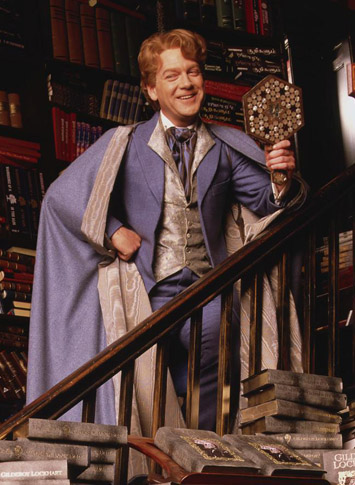 revealing, and I began to ponder pride a little more in terms of its role as a spiritually corrosive force in fantasy literature, just as it is in life. So, let’s visit that deadly sin that rears its ugly head around so many real and fictional corners.
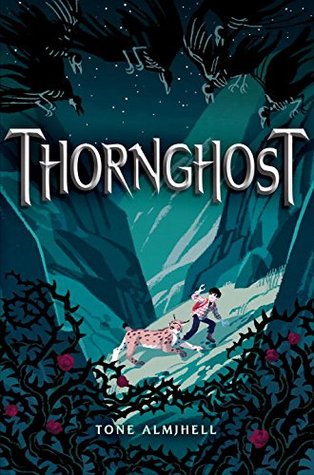
 o say some of the remarkable words we run across at Hogwarts and elsewhere. Sometimes, after reading and re-reading a book for years, we are stunned to hear an audiobook or movie adaptation that completely contrasts with the way we have been saying the word in our heads (or in nightly read-alouds). With film adaptations, there are even some pretty divisive opinions about whether the movie people are, as Hermione would tell us, saying it wrong. It would be easy to say that it’s just potato/potAHto, and Sca-mander/Scam-ander, but, the fact is, words have power, literally and figuratively, especially in the books we discuss here, so let’s think about a few reasons that it does matter how we say words, whether we are making a movie, having a conversation, or just reading aloud at bedtime….
Recent Conversation